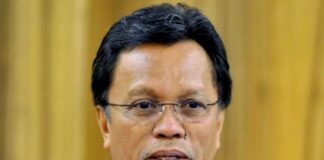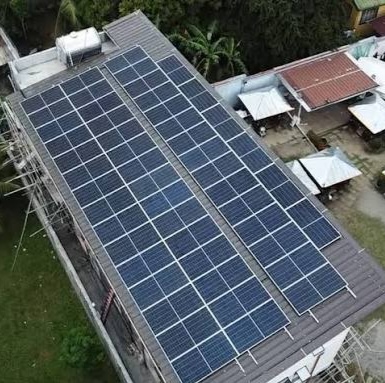
SANDAKAN: Tanjong Papat Assemblyman Alex Thien said that with Peninsular Malaysia and Sarawak already introducing various incentives and subsidies for residential solar installations, the Sabah Government should clarify whether similar assistance schemes will be made available if the state implements a Net Energy Metering (NEM) programme in the future.
He said the federal government recently announced the opening of applications for the SuRIA Home residential solar rebate programme from June 1, offering rebates of up to RM3,000 for households installing rooftop solar systems.
However, the scheme is currently only open to users connected to the Tenaga Nasional Berhad (TNB) grid and who have completed Solar ATAP interconnection requirements, and therefore does not include Sabah Electricity users.
Thien pointed out that apart from the SuRIA Home initiative in Peninsular Malaysia, Sarawak has in recent years introduced various subsidies and incentive programmes to help reduce the cost of residential solar installations and encourage wider adoption of renewable energy.
A long-time advocate of renewable energy development, Thien said Sabah possesses abundant solar resources and strong potential for solar energy expansion.
He added that the state should actively pursue green energy development to strengthen energy security and reduce long-term electricity costs for consumers.
He expressed confidence that Sabah may soon follow the footsteps of Peninsular Malaysia and Sarawak by introducing its own NEM programme, which would allow consumers to export excess electricity generated from rooftop solar systems back to the grid in exchange for bill credits.
“With Peninsular Malaysia and Sarawak already offering incentives for residential solar adoption, it is only natural for Sabahans to ask whether similar subsidies, rebates or financing assistance will be introduced if Sabah implements NEM in the future,” he said.
According to Thien, while NEM can help households reduce electricity expenses over the long term, the upfront installation cost remains a major consideration for many families.
Although solar systems can generate savings over time, the initial investment required is often beyond the reach of ordinary households.
“Appropriate subsidies or financing assistance would help lower the entry barrier and encourage greater public participation,” he said.
Thien further stressed that if the state government intends to encourage more households to participate in the energy transition, it should seriously consider introducing complementary measures such as subsidies, rebates or financing support, rather than merely implementing the policy framework itself.
“People are concerned not only about whether NEM will be introduced but also whether there will be a comprehensive plan in place to ensure that ordinary families can benefit from it,” he said.
He therefore called on the state government and relevant agencies to clarify whether solar installation subsidies, rebates or financing assistance schemes will be introduced alongside any future NEM programme so that the benefits of the policy can be enjoyed not only by those who can afford the upfront costs but also by ordinary households across Sabah.
Tanjung Papat rep wants the Sabah govt to clarify if incentives and subsidies for residential solar installations exist
SANDAKAN: Tanjong Papat Assemblyman Alex Thien said that with Peninsular Malaysia and Sarawak already introducing various incentives and subsidies for residential solar installations, the Sabah Government should clarify whether similar assistance schemes will be made available if the state implements a Net Energy Metering (NEM) programme in the future.
He said the Federal Government recently announced the opening of applications for the SuRIA Home residential solar rebate programme from June 1, offering rebates of up to RM3,000 for households installing rooftop solar systems.
However, the scheme is currently only open to users connected to the Tenaga Nasional Berhad (TNB) grid and who have completed Solar ATAP interconnection requirements, and therefore does not include Sabah Electricity users.
Thien pointed out that apart from the SuRIA Home initiative in Peninsular Malaysia, Sarawak has in recent years introduced various subsidies and incentive programmes to help reduce the cost of residential solar installations and encourage wider adoption of renewable energy.
A long-time advocate of renewable energy development, Thien said Sabah possesses abundant solar resources and strong potential for solar energy expansion.
He added that the state should actively pursue green energy development to strengthen energy security and reduce long-term electricity costs for consumers.
He expressed confidence that Sabah may soon follow the footsteps of Peninsular Malaysia and Sarawak by introducing its own NEM programme, which would allow consumers to export excess electricity generated from rooftop solar systems back to the grid in exchange for bill credits.
“With Peninsular Malaysia and Sarawak already offering incentives for residential solar adoption, it is only natural for Sabahans to ask whether similar subsidies, rebates or financing assistance will be introduced if Sabah implements NEM in the future,” he said.
According to Thien, while NEM can help households reduce electricity expenses over the long term, the upfront installation cost remains a major consideration for many families. Although solar systems can generate savings over time, the initial investment required is often beyond the reach of ordinary households.
“Appropriate subsidies or financing assistance would help lower the entry barrier and encourage greater public participation,” he said.
Thien further stressed that if the state government intends to encourage more households to participate in the energy transition, it should seriously consider introducing complementary measures such as subsidies, rebates or financing support, rather than merely implementing the policy framework itself.
“People are concerned not only about whether NEM will be introduced, but also whether there will be a comprehensive plan in place to ensure that ordinary families can benefit from it,” he said.
He therefore called on the state government and relevant agencies to clarify whether solar installation subsidies, rebates or financing assistance schemes will be introduced alongside any future NEM programme, so that the benefits of the policy can be enjoyed not only by those who can afford the upfront costs, but also by ordinary households across Sabah.