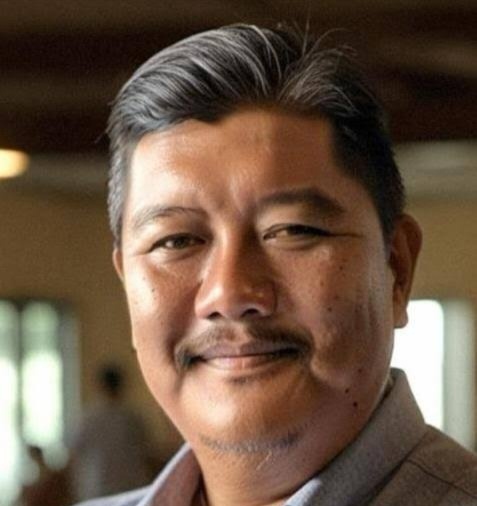
By Remy Majangkim (Majangkim Office)
SANDAKAN: When the High Court ruled last October that the Federal Government had unlawfully denied Sabah its constitutional right to 40% of net federal revenue from 1974 to 2021, the potential quantum was tens of billions of ringgit.
It was a historic rebuke to Putrajaya’s fiscal centralism.
But last week, the Court of Appeal granted a stay of execution. The final appeal is not scheduled until late October 2026.
The legal reasoning—avoiding “serious financial consequences for public funds”—is technically sound. But for the people of Sabah, who have waited over five decades, this is not justice. It is a deferral.
And it forces a question both sides of the aisle have failed to resolve: Who exactly is holding the purse strings?
The Double-Headed Executive
In January, Opposition Leader Hamzah Zainudin made a startling admission. While discussing term limits for the Prime Minister, he argued that a far more critical reform is being overlooked: barring the Prime Minister from holding the Finance portfolio.
“Malaysians do not only want a prime minister who is clean,” Hamzah said, “but also one who is seen to be free from corruption… A lot of authority is already bestowed on the finance minister, it’ll be even more so if he is also the prime minister.”
Currently, the Prime Minister holds both hats. When the same individual controls the executive direction and the nation’s checkbook, the checks and balances of federalism become dangerously blurred.
The Harvest Festival Paradox
Every May, Sabah celebrates Kaamatan. And every year, the Prime Minister arrives.
Standing beneath the Unduk Ngadau pageantry, he announces the billions of ringgit the Federal Government has “given” to Sabah. Development allocations. Infrastructure funds.
The crowd roars. The hosts thank him effusively.
And the native leaders—the elected representatives, the community champions—receive it with joy. They stand beside him, beaming.
But they are missing the tree in the forest.
While they celebrate the leaves—the annual allocations, the political crumbs—the trunk remains in Putrajaya’s grip. The 40% is not about generosity. It is about revenue. Sabah’s share of what it already contributes.
Then comes the scolding.
“Be grateful. Don’t be greedy.”
And the native leaders nod again. They have been trained, over generations, to celebrate the leaves while never being taught to see the forest—and to value the sacred tree.
Imagine a tenant who has not paid rent for a decade. Then, one day, he buys the landlord a small gift and demands gratitude. That is the Harvest Festival paradox.
The Prime Minister boasts about federal “generosity” for money the High Court says was unlawfully withheld. He scolds Sabahans for asking what is constitutionally theirs. And the native leaders applaud—missing the tree, missing the unpaid rent, missing the sacred trunk being carried away year after year.
Will they ever stop counting the leaves long enough to see the forest?
DISCLAIMER: The views expressed here are those of the author/contributor and do not necessarily represent the views of Jesselton Times.