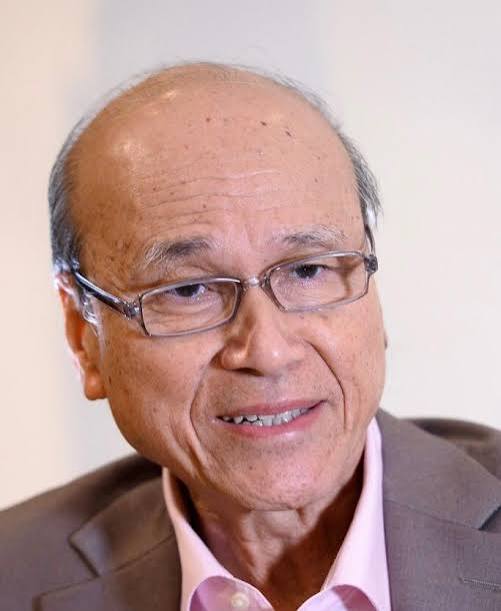
By Tan Sri Lee Lam Thye, Chairman Alliance For A Safe Community
KOTA KINABALU: The Alliance for a Safe Community (IKATAN) is deeply concerned by the disclosure that 55,169 civil servants were identified through the MyPsyD screening system as being in the high-risk category for mental health concerns, including risks associated with suicidal behaviour.
Although this figure is less that one percent of the 1.7 million civil servants in our country it is a serious warning that psychological wellbeing can no longer be treated as a private matter or a secondary concern within the public service.
Mental health must be recognised as an essential workplace safety and occupational health priority, alongside protection from physical hazards.
However, the screening results must be interpreted responsibly. Being classified as “high risk” does not necessarily mean that an individual has received a clinical diagnosis of a mental disorder. It is a warning signal that should prompt timely, confidential and appropriate support, assessment and intervention.
IKATAN welcomes JPA’s initiatives to strengthen psychological support, develop mental health guidelines for the civil service and introduce a Happiness Index. These measures should now be translated into practical action at every ministry, department and government agency.
I suggest five priorities:
First, early intervention must become the norm. Officers identified as being at risk should receive confidential, professional and timely support, with appropriate referral for further assessment where necessary.
Second, managers and heads of departments must be trained to recognise warning signs. Supervisors should know how to respond to stress, burnout, anxiety, depression, workplace bullying and other psychosocial risks without stigmatising or punishing affected employees.
Third, mental health must be incorporated into workplace safety and occupational health programmes. Psychological hazards should be assessed alongside physical hazards. A safe workplace is not one that prevents physical injuries only; it must also protect psychological wellbeing.
Fourth, confidentiality and trust are essential. Civil servants must feel safe seeking help without fear that doing so will damage their careers, reputation or employment prospects.
Fifth, prevention must receive as much attention as treatment. Workload, long working hours, workplace bullying, inadequate staffing, poor work-life balance and organisational culture should be examined where they contribute to psychological distress.
IKATAN also believes that every ministry and agency should have a clear mental-health action plan, including access to trained psychological support, peer-support mechanisms, regular psychosocial risk assessments and clear pathways for urgent intervention.
The wellbeing of civil servants is directly connected to the quality and resilience of public service delivery. We cannot expect people to serve the nation effectively if their own psychological wellbeing is neglected.
The message should therefore be simple: mental health is health, mental health is workplace safety, and seeking help is a sign of responsibility—not weakness.
IKATAN calls for a whole-of-government approach in which psychological wellbeing becomes an integral part of a safe, healthy and resilient public service.