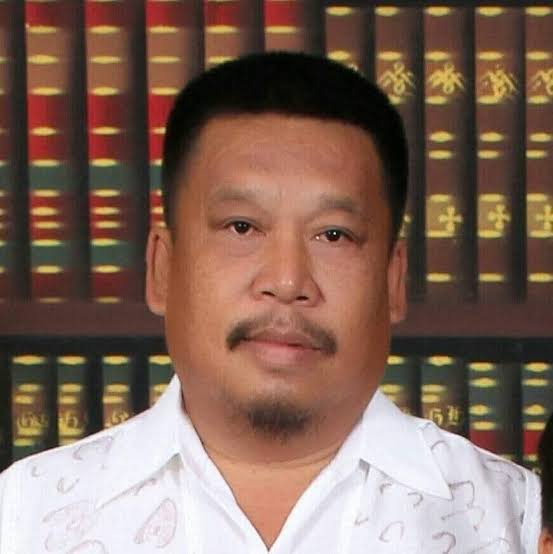
By S.L. Lim, Sabah Political Observer
KOTA KINABALU: The latest Memorandum of Understanding (MoU) involving the proposed 500-acre development in Tuaran between KTI Landmark Berhad and the Sabah Rubber Industry Board has once again generated headlines.
Unfortunately, Sabahans have become all too familiar with this script.
Every few months, another signing ceremony is held. Photographs are taken. Speeches are delivered. Promises of billions in investment and thousands of jobs are announced. Yet years later, many Sabahans are left asking the same question: What actually happened to those projects?
An MoU is not an investment.
An MoU is not a factory.
An MoU does not create jobs.
An MoU does not generate state revenue.
An MoU does not improve the lives of ordinary Sabahans.
It is merely the beginning of a process that may or may not result in an actual project.
This is why Sabahans should judge governments not by the number of MoUs they sign, but by the number of projects they successfully complete.
The public also deserves greater transparency.
Who was selected to undertake the project, and through what process? What is the current market value of the 500 acres of state-linked land involved? What return will the Sabah Rubber Industry Board receive? What safeguards exist to protect public assets? Will the feasibility study be independently reviewed before any binding agreement is signed?
These are not political questions.
They are questions of good governance.
Public land and public assets belong to the people of Sabah, not to any government of the day. Every decision involving these assets must therefore withstand the highest standards of transparency, accountability and public scrutiny.
Sabah has heard countless announcements over the decades. Many were presented as transformational initiatives. Some never progressed beyond the announcement stage. Others experienced years of delay. Meanwhile, Sabah continues to record among the country’s lowest income levels despite possessing abundant natural resources and enormous economic potential.
The people are no longer impressed by ceremonial signings.
They want construction on the ground.
They want operational industries.
They want high-quality employment for Sabahans.
They want higher state revenue to improve schools, hospitals, roads, water supply and rural development.
Most importantly, they want measurable results.
The State Government should therefore publish a public scorecard for every major investment announcement, showing the project’s current status, completion of feasibility studies, approvals obtained, investment committed, implementation milestones and expected completion dates.
Only then can Sabahans distinguish genuine investments from announcements that never materialise.
In today’s Sabah, credibility is no longer earned by signing another MoU. Credibility is earned by delivering completed projects, honouring commitments and producing measurable improvements in the lives of the people.
The era of judging success by ceremonies should come to an end.
The era of judging governments by performance must begin.