KOTA KINABALU: The State Government remains committed to improving access to reliable, affordable and sustainable electricity for all Sabahans, including those living in rural areas, said Chief Minister Datuk Seri Panglima Haji Hajiji Haji Noor.
He said solar energy would play an important role in achieving this objective, alongside other suitable technologies and continued investment in electricity infrastructure to strengthen Sabah’s energy security.
“Our priority remains clear that is to improve access to electricity that is reliable, affordable and sustainable for the people, including those in rural areas.”Solar energy will be an important part of that effort, alongside other suitable technologies and continued investment in electricity infrastructure,” he said at the official visit to the LSS Kolombong and Showcase at Teck Guan Cocoa Embassy here today.
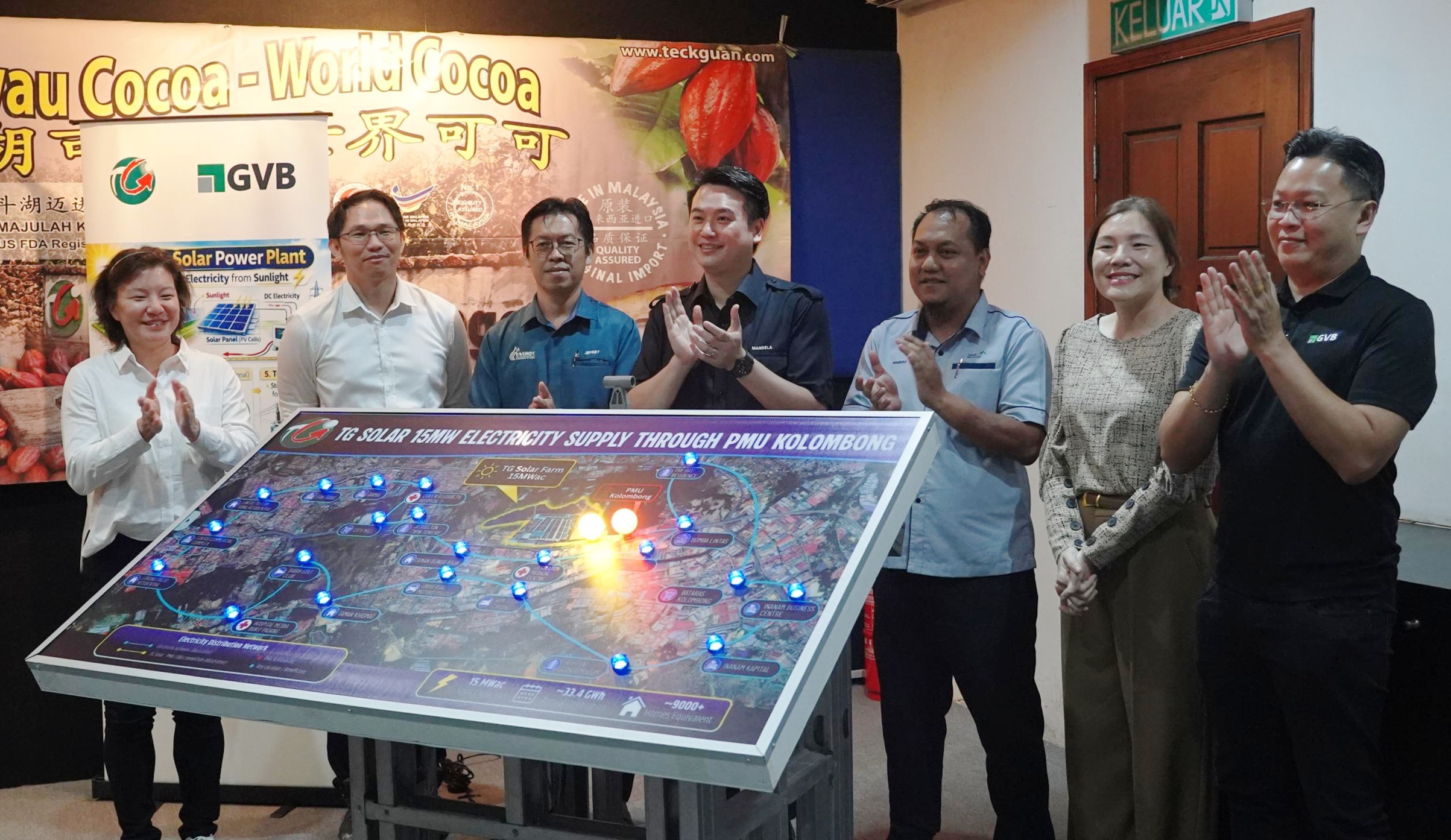
Assistant Minister to the Chief Minister Datuk Ceasar Mandela Malakun delivered his speech.
He said a reliable electricity supply was fundamental to Sabah’s development as it supported essential services, economic activities and the daily needs of the people.
“Whether in our urban centres, rural districts or the interior, Sabahans need an electricity system they can depend on,” he said.
The Chief Minister said the State Government had made energy security a priority, particularly since Sabah assumed regulatory responsibility for electricity supply and renewable energy on Jan 3, 2024.
He said the move strengthened Sabah’s ability to plan, regulate, and develop its energy sector to meet the State’s needs and long-term aspirations.
Under the Sabah Energy Roadmap and Master Plan 2040 (SE-RAMP 2040), the State Government aims for renewable energy to account for 50 per cent of Sabah’s electricity generation capacity by 2035.
Hajiji said renewable energy currently accounted for approximately 17 per cent of Sabah’s generation mix, with the share expected to reach around 30 per cent by 2030.
However, he stressed that expanding solar generation must be accompanied by battery energy storage, grid reinforcement and other generation sources to ensure a stable and reliable electricity supply.
“Our objective is not simply to install more solar panels, but to ensure that renewable energy contributes effectively to Sabah’s energy security,” he said.
In this regard, Hajiji welcomed the successful commencement of commercial operations at LSS Kolombong on October 17, 2026, ahead of schedule.
The 15-megawatt AC solar plant is expected to supply approximately 37 gigawatt-hours of clean electricity annually to the Sabah grid, sufficient to meet the annual electricity needs of more than 9,000 homes.
He said the project, the first large-scale solar facility in Sabah to achieve commercial operation under the regulatory oversight of the Energy Commission of Sabah (ECoS), demonstrated how responsible investment and local expertise could contribute to Sabah’s energy development.
Hajiji also encouraged eligible homeowners and businesses to explore the Solar Rakyat Sabah and SELCO-PV Sabah 2.0 programmes, which provide opportunities to generate solar electricity and reduce dependence on conventional grid supply
.He said Sabah’s energy transition should bring tangible benefits to the people, including a more diversified electricity supply, stronger local enterprises, skilled employment and greater participation by Sabahans in the renewable energy industry.