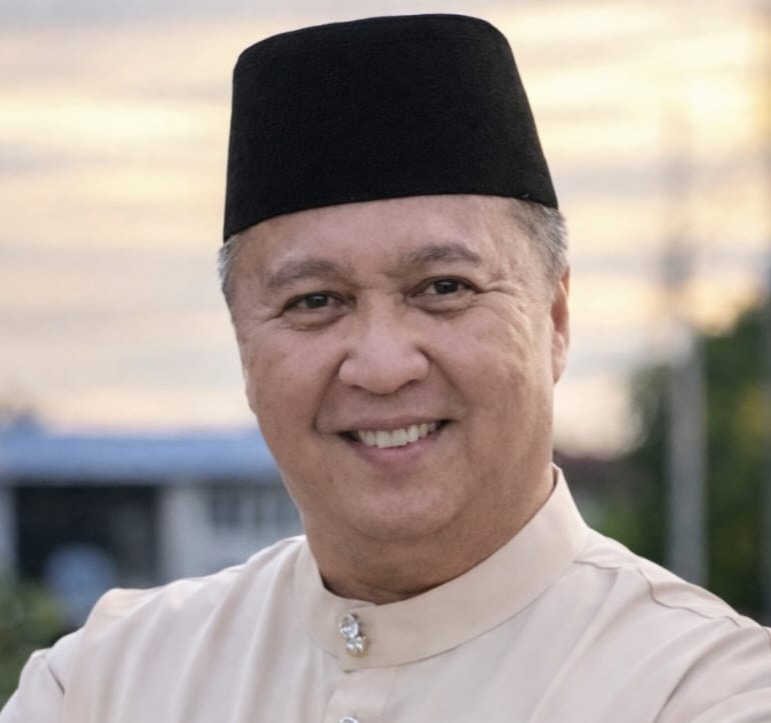
TAWAU: Sabah community advocate Mohd. Zaki Harry Susanto has welcomed the construction of the Sabah Heart Center at Queen Elizabeth II Hospital (HQE II), expected to be completed by the third quarter of 2027, calling it a significant advancement in strengthening specialized healthcare for the state’s population.
He noted that the centre offers renewed hope for heart patients in Sabah, who have long depended on medical facilities in Peninsular Malaysia—particularly Kuala Lumpur—for expert care.
“This is a positive step for Sabahans,” he said.
“Until now, those needing specialized cardiac treatment had no choice but to travel to the Peninsula, with flight costs, lodging, and caregiver expenses adding financial strain on families.”
He expressed hope that once operational, the center will eliminate the need for patients to travel long distances for treatments that should be accessible locally.
Zaki emphasized that the project must be viewed in light of Sabah’s size and geographic spread, especially its remote inland and eastern coastal regions far from Kota Kinabalu.
“Sabah isn’t small—it’s nearly as large as Selangor, Negeri Sembilan, and Malacca combined. We can’t base healthcare access solely on services located in the state capital,” he explained.
He urged the Ministry of Health (KKM) to consider establishing satellite units of the Sabah Heart Centre, or at minimum, to assign cardiologists regularly to Tawau Hospital and Sandakan Hospital.
Such a move, he said, is crucial for emergency cases where timely intervention significantly affects outcomes.
“We must face Sabah’s geographic reality,” he said. “For patients from Tawau, Lahad Datu, Semporna, or nearby areas, reaching Kota Kinabalu takes considerable time. The same applies to residents of Sandakan, Kinabatangan, Beluran, and northern districts.”
“In heart emergencies, we can’t rely solely on referring everyone to Kota Kinabalu. Specialist care must be brought closer to where people live,” he added.
He suggested that Tawau and Sandakan hospitals could serve as regional cardiology hubs for the east coast, reducing reliance on the capital.
“It doesn’t mean building a full-scale heart center in every district right away. We can begin by stationing specialists, upgrading cardiology units, equipping hospitals appropriately, and creating faster emergency referral pathways.”
“Once demand grows, these centers can evolve into official branches of the Sabah Heart Center,” he said.
At the same time, Zaki stressed the importance of addressing human resource gaps, particularly by increasing the number of cardiologists and cardiothoracic surgeons to ensure the new facility functions effectively.
Recent reports indicate KKM is already planning ahead to meet specialist needs, including expanding the limited pool of cardiothoracic surgeons in Sabah.
“We shouldn’t end up with impressive buildings and advanced equipment but no experts to use them,” he cautioned.
“Infrastructure development must go hand in hand with workforce training and clinical capacity.”
“The goal is clear: Sabahans should receive high-quality, timely cardiac care as close to home as possible,” he said.
Zaki emphasized that the Sabah Heart Center should mark the start of a broader, more inclusive network of cardiac services across the state—not one centered only in Kota Kinabalu.
“This isn’t about pitting Kota Kinabalu against Tawau or Sandakan. It’s about equitable healthcare access for all Sabahans.”
“We welcome the Heart Center and hope future planning continues to reflect the needs of people in rural and east coast areas,” he concluded.