KENINGAU: Sabah aims to increase its rice self-sufficiency rate (SSL) to approximately 30 percent by 2030 through two main strategies: reopening abandoned paddy fields and boosting rice production using modern technology.
Minister of Agriculture, Fisheries, and Food Industry, Datuk Jamawi Jaafar, stated that currently, Sabah’s SSL for rice stands at only about 19 percent, indicating that the state still relies heavily on imported rice supplies.
He emphasised that this target is crucial for strengthening the state’s food supply security, especially in light of global uncertainties due to geopolitical conflicts and energy crises that could disrupt rice supplies from exporting countries like Vietnam and Thailand.
“We have a clear target to enhance rice production. Currently, Sabah’s SSL is around 19 percent. This means that out of every 100 people who need rice, only 19 receive rice produced in Sabah, which is not acceptable.
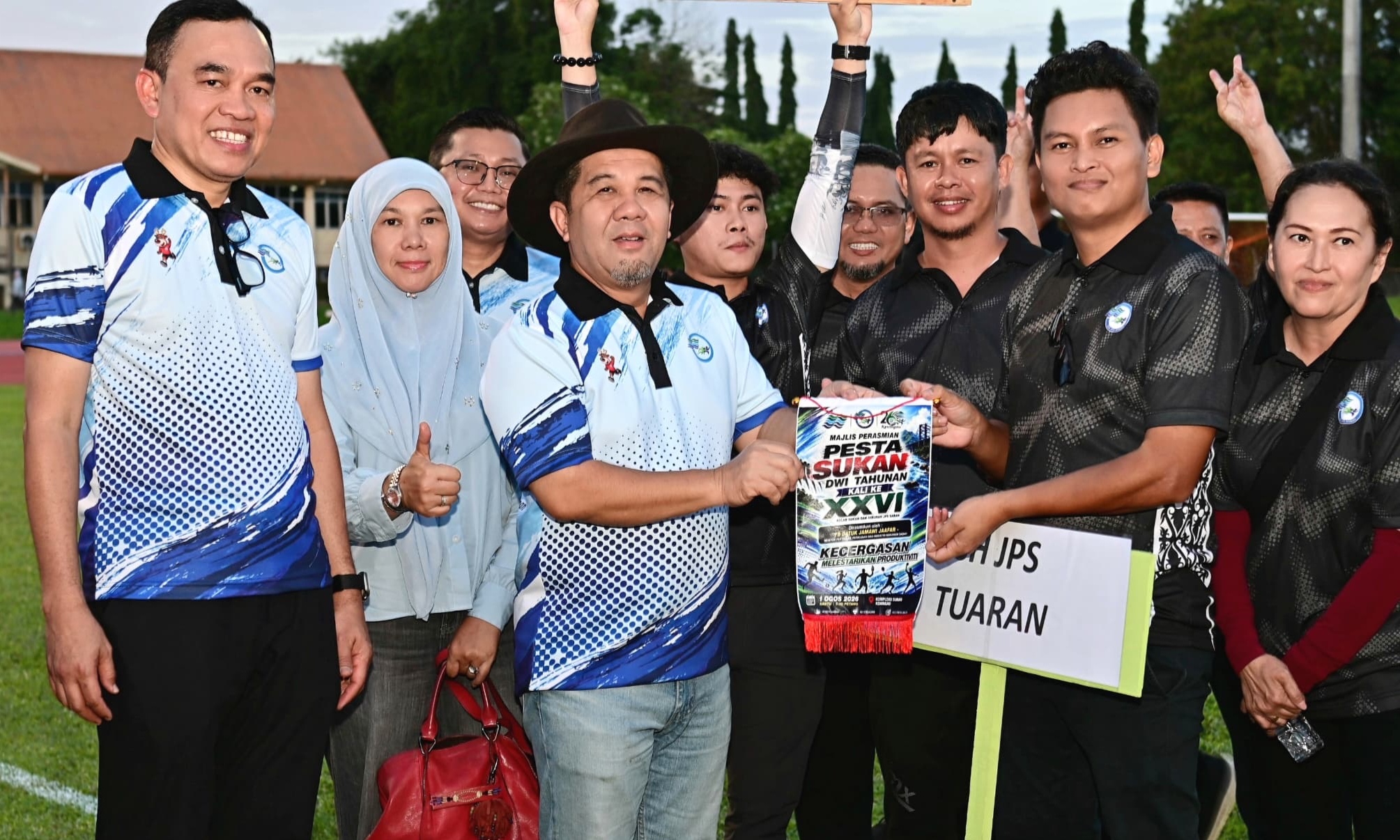
“If we do not have a more organised approach, we may not receive rice supplies from importing countries like Vietnam and Thailand. Therefore, we aim to improve SSL by reopening abandoned paddy fields and upgrading the irrigation system,” he said during his speech at the opening of the 26th Biennial Sports Festival of the Sports and Recreation Club of the Department of Irrigation and Drainage (JPS) Sabah at the Keningau Sports Complex recently.
Jamawi mentioned that Sabah has approximately 4,000 hectares of abandoned paddy land, and reopening 2,000 hectares is expected to increase the state’s SSL by about 10 percent.
“If all 4,000 hectares can be redeveloped, the SSL could potentially rise to around 20 percent. However, based on the current allocation, our target is to reopen about 2,000 hectares by 2030 and raise the SSL to around 30 percent,” he added.