KOTA KINABALU: The Sabah Law Society’s (SLS) initiative to enhance public understanding of Sabah’s constitutional rights under the Malaysia Agreement 1963 (MA63) has been welcomed as a timely and constructive step amid growing public interest in the State’s constitutional position.
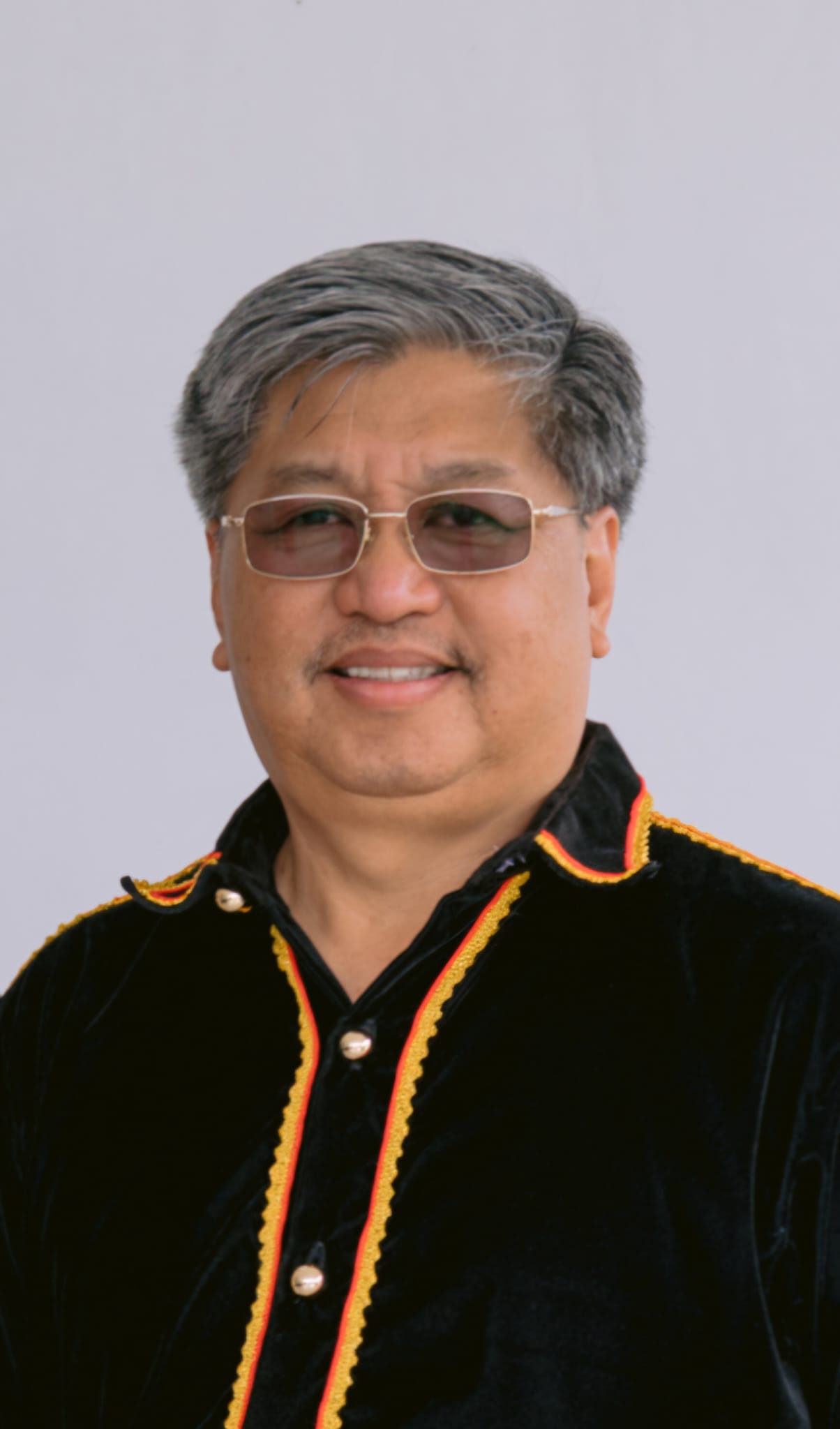
Responding to the SLS report in the Borneo Post titled “SLS vows to educate public on constitutional rights” dated 17 January 2026, Bob Munang who is a Justice of the Peace (JP) and a founding life member of SABAR, commended SLS President Datuk Mohamed Nazim Maduarin for advancing a structured and institutionally led public education effort on the subject.
He described the SLS initiative as both appropriate and necessary, noting that matters arising from MA63 require careful and accurate explanation due to their constitutional complexity.
“As the professional body representing the legal fraternity in Sabah, SLS is well positioned to contribute to public understanding in a responsible and impartial manner,” he said.
Munang observed that while public discussions on MA63 have become more prominent in recent years, the Agreement itself is not a straightforward instrument.
He explained that the MA63 involves not only the law, but also the historical context and political understanding before Malaysia’s formation on 16 September 1963.
He cautioned that interpreting MA63 from a single perspective may not fully reflect the broader intent and spirit behind the formation of Malaysia, particularly the understandings reached by the founding leaders from Sabah and Sarawak.
“The Agreement must be read holistically. A selective reading of historical records, constitutional provisions or legal documents alone may not capture the full context of the consensus reached in 1963,” he said.
“Such an approach risks overlooking the broader intentions and aspirations of the people of Sabah and Sarawak at that time.” he added.
Munang asserted that balanced public education is therefore essential to ensure that discussions remain grounded in facts, context and constitutional principles, rather than being reduced to narrow or partisan interpretations.
Recognising the need for a more concerted effort, he explained that a group of concerned Sabahans came together in 2019 to form SABAR, the Sabah Action Body Advocating Rights. Despite challenges during the Covid period, the incorporation of SABAR was formally approved on 13 April 2020, amongst others, to undertake research and documentation relating to MA63, the Malaysia Act 1963 and related constitutional instruments, and to support lawful and institutional engagement on issues concerning Sabah’s rights.
In light of these shared objectives to advocate and pursue Sabah’s constitutional rights, he proposed that SLS and SABAR explore avenues for collaboration.
He expressed the view that cooperation between the SLS and SABAR will enable the pursuance of Sabah’s constitutional rights more effectively.
At the same time, and in view of the changing political dynamics in Malaysian politics, Munang encouraged Sabah’s political leaders across party lines to adopt a consistent and united approach in matters concerning the State’s constitutional interests.
“These rights belong to the people of Sabah and must be upheld and defended. A coordinated and principled stance will enhance constructive engagement with the Federal Government and other institutions in line with the MA63,” he said.
He emphasised that discussions on constitutional matters affecting Sabah and Sarawak should be guided by the original spirit in which Malaysia was formed based on the understandings reached by the founding fathers from the Borneo States, and that any infringements of their constitutional rights must be rectified accordingly so that Malaysia can progress further.