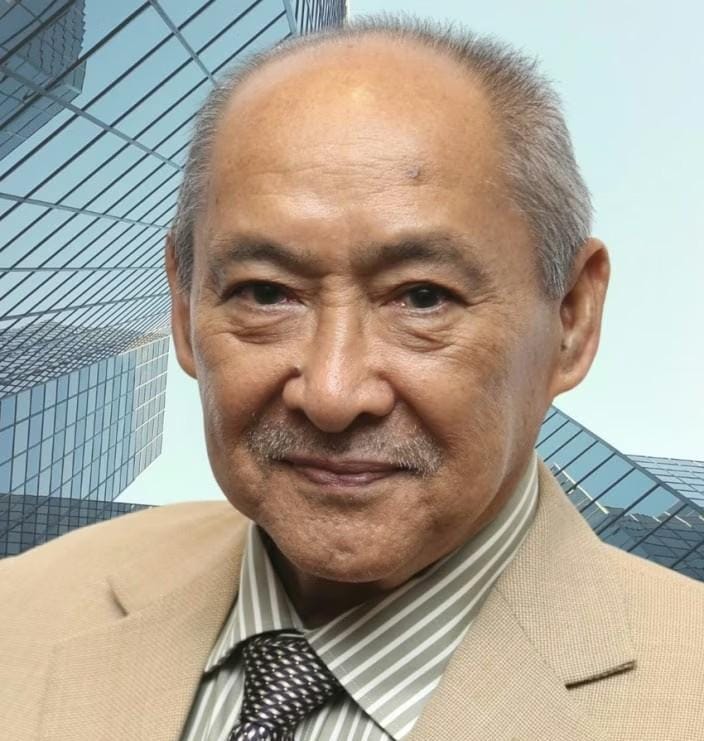
By Datuk Ts Dr. Hj Ramli Amir, former President of the Chartered Institute of Logistics and Transport (CILT) Malaysia and Vice-President of CILT International for Southeast Asia
KOTA KINABALU: The Sipitang Oil and Gas Industrial Park (SOGIP) represents more than just an industrial development—it embodies the hopes and aspirations of Sabahans for comprehensive economic transformation, career advancement, and improved quality of life.
The expectations surrounding this monumental project reflect deep-seated concerns about long-standing economic challenges while embodying optimism for a prosperous future that addresses both immediate needs and long-term development goals.
Economic Transformation and Community Upliftment
The public’s expectations for SOGIP are fundamentally rooted in the promise of economic revitalisation for a state that has historically faced significant economic challenges. While Sabah has achieved a remarkable 90% reduction in hardcore poverty from 14,553 households in February 2024 to 1,464 households by February 2025, the state continues to grapple with broader economic difficulties.
Sabah maintains the highest unemployment rate in Malaysia at approximately 8.0% as of Q2 2024, with over 165,600 people actively seeking employment—a 45% increase from 114,300 in 2019. The state’s absolute poverty rate remains concerning, and its GDP of RM83.2 billion in 2023 has still not recovered to pre-pandemic levels. Against this backdrop, SOGIP represents hope for systemic change that extends beyond mere job creation to comprehensive community development.
Local communities, particularly in Sipitang and surrounding areas, anticipate that SOGIP’s substantial investment portfolio will generate significant ripple effects throughout the regional economy. The project has secured investments totalling approximately RM29.87 billion, including RM20 billion from Esteel for a green steel plant and RM8.8 billion from Petronas for a floating LNG facility.
The expectation is not merely for direct employment but for the creation of an entire ecosystem of economic opportunities spanning transportation, logistics, retail, hospitality, and various support services.
The official declaration of SOGIP Port in January 2025 has heightened these expectations, with communities viewing it as a gateway to enhanced trade opportunities and maritime-related employment. The port is strategically positioned to drive Sabah’s economic growth, enhance the state’s role as a key hub for maritime trade, and create new job opportunities for residents.
Career Aspirations and Professional Development
For Sabah’s educated workforce, SOGIP represents a potential solution to the state’s chronic brain drain problem, which has seen over 200,000 Sabahans working in Peninsular Malaysia and tens of thousands more abroad. The wage disparity between Sabah and other Malaysian states has been a persistent issue, with Sabah’s average monthly salary of RM3,127 significantly lower than Kuala Lumpur’s RM4,521 and Selangor’s RM3,885.
Professional expectations centre on the creation of high-quality, well-compensated positions that match educational qualifications and career aspirations. The oil and gas sector traditionally offers competitive salaries, creating substantial expectations among Sabahan professionals for SOGIP to provide career opportunities that justify remaining in or returning to the state.
The establishment of the Sabah Local Content Council in May 2024, implementing an ambitious “80:30” policy targeting 80% Sabahan workforce participation and 30% local business contract awards, has generated significant optimism among professionals.
This policy framework creates expectations for meaningful local participation rather than merely serving as a source of low-skilled labour for international companies.
Training and skills development opportunities represent another crucial expectation. The presence of established institutions like TAS Institute of Oil & Gas, Sabah’s first oil and gas training centre established in 2008, and Kimanis Petroleum Training Centre managed by PETRONAS, creates expectations for comprehensive workforce development programmes. Professionals anticipate access to internationally recognised certifications, advanced technical training, and career progression pathways that align with global industry standards.
Critical Need for Data Engineering Professionals
A particularly pressing concern for international investors and major corporations establishing operations at SOGIP is the shortage of qualified data engineers and data scientists among local Sabahans. As the oil and gas industry undergoes rapid digital transformation, with AI applications in the sector expected to reach USD 5.2 billion globally by 2029, the demand for skilled data professionals has become critical for operational success.
The global AI market in the oil and gas sector is experiencing substantial growth, reaching around USD 3 billion in 2024 and projected to rise to USD 5.2 billion by 2029. Digital transformation in the oil and gas industry is forecasted to grow by USD 56.4 billion during 2024-2029, accelerating at a CAGR of 14.5%.
However, Sabah faces a significant digital talent shortage that poses a barrier to industrial growth and foreign investment attraction. The state lacks specialised higher education programmes in AI, data science, and machine learning, with current universities not offering dedicated faculties for these critical skills.
This shortage forces companies to either import talent from Peninsula Malaysia or outsource to foreign service providers, increasing operational costs and reducing local economic benefits.
To address this critical gap, stakeholders expect the development of specialised training partnerships between SOGIP operators, local universities, and international technology companies to create certification programmes specifically focused on oil and gas data analytics, predictive maintenance systems, and industrial IoT implementations.
Youth Employment and Skills Development
Sabahan youth face particularly acute employment challenges, with youth unemployment rates reaching significant levels. The expectations for SOGIP among young Sabahans are therefore especially significant, representing hope for breaking the cycle of unemployment and underemployment that has plagued the state.
Recent initiatives demonstrate the tangible nature of these expectations. In June 2025, 450 youths in Sipitang participated in oil and gas career recruitment activities specifically related to SOGIP opportunities. This level of engagement reflects the genuine anticipation among young people for meaningful career prospects within their home state.
The state government’s emphasis on Technical and Vocational Education and Training (TVET) as crucial for youth employment has created expectations for SOGIP to serve as a practical destination for TVET graduates. Chief Minister Hajiji Noor’s emphasis that “TVET can no longer be seen merely as an option” but must be “embraced as a mainstream choice” reflects governmental commitment to creating pathways from education to employment.
Young Sabahans expect SOGIP to provide not just entry-level positions but clear career progression pathways that allow for professional growth and development. The integration of advanced technologies and international best practices in SOGIP’s operations creates expectations for exposure to cutting-edge industry practices that enhance long-term career prospects.
Addressing Historical Economic Disadvantages
Public expectations for SOGIP are intensified by historical grievances about Sabah’s treatment within Malaysia’s federal system. Despite contributing significantly to national GDP through natural resources, Sabah has often felt marginalised in terms of development priorities and federal investment allocation. The state’s industrial sector has contributed only single-digit percentages to Sabah’s GDP, averaging 8.8% between 2010-2020, indicating limited economic diversification.
Communities expect SOGIP to demonstrate that Sabah can attract and successfully implement world-class industrial projects that leverage the state’s natural resource advantages while creating sustainable economic benefits for local populations. The success of SOGIP is viewed as crucial for establishing Sabah’s credibility as a viable location for high-value industrial investment.
The expectation extends to ensuring that SOGIP’s benefits are distributed equitably across different social and economic groups. The substantial investments already secured, including operations expected to begin in 2026 and 2027, create expectations that SOGIP’s prosperity will be inclusive rather than concentrated among elite groups.
Infrastructure and Quality of Life Improvements
Beyond direct employment, communities expect SOGIP to catalyse broader improvements in infrastructure and quality of life. Sabah has historically faced challenges with unreliable power and water supplies, poor connectivity, and limited transportation links—factors that have hindered business development and increased operational costs.
The development of SOGIP Port is expected to improve regional connectivity and reduce the logistical challenges that have historically made doing business in Sabah more expensive than in Peninsula Malaysia. Communities anticipate that improved port facilities will reduce costs for consumer goods while creating opportunities for local businesses to access broader markets.
Environmental and Social Responsibility
Despite the focus on economic benefits, there are significant expectations that SOGIP’s development will adhere to high environmental and social standards. Communities expect comprehensive Environmental Impact Assessment processes and implementation of sustainable development practices that balance economic growth with environmental protection.
The emphasis on green technologies, particularly Esteel’s green steel production that reduces carbon emissions by 70% compared to traditional methods, creates expectations that SOGIP will represent a new model of environmentally responsible industrial development.
Long-term Regional Transformation
The ultimate expectation for SOGIP extends beyond immediate economic benefits to fundamental transformation of Sabah’s economic structure and regional position. Communities expect SOGIP to establish Sabah as a recognised industrial and energy hub within Southeast Asia, creating a sustainable foundation for long-term economic growth.
This transformation expectation includes development of supporting industries, research and development capabilities, and educational institutions that will sustain Sabah’s competitiveness in global markets. The integration of SOGIP with broader regional development initiatives creates expectations for Sabah to become a strategic economic corridor rather than a peripheral location.
Challenges and Realistic Expectations
While expectations for SOGIP are generally optimistic, there is also awareness of potential challenges and the need for realistic timelines. The complexity of industrial development, regulatory requirements, and market conditions create understanding that benefits may take time to materialise fully.
Communities expect transparency about project timelines, potential challenges, and realistic assessments of employment numbers and wage levels. The experience of other large-scale projects creates expectations for honest communication about project status and realistic projections for community benefits.
The success of SOGIP in meeting these diverse expectations will ultimately depend on effective implementation of inclusive development policies, maintenance of high environmental and social standards, and genuine commitment to local participation and benefit-sharing. The project represents not just an industrial development but a test of whether large-scale resource-based development can genuinely transform communities while addressing historical economic inequities.
For ordinary Sabahans, professionals, and stakeholders, SOGIP embodies the hope that their state can achieve economic transformation that provides opportunity, prosperity, and dignity for all residents while establishing Sabah as a competitive and sustainable participant in the global economy.
The realisation of these expectations will require continued commitment to inclusive development practices and recognition that the true measure of SOGIP’s success lies not merely in production volumes or investment values, but in its contribution to improved livelihoods and enhanced opportunities for all Sabahans.