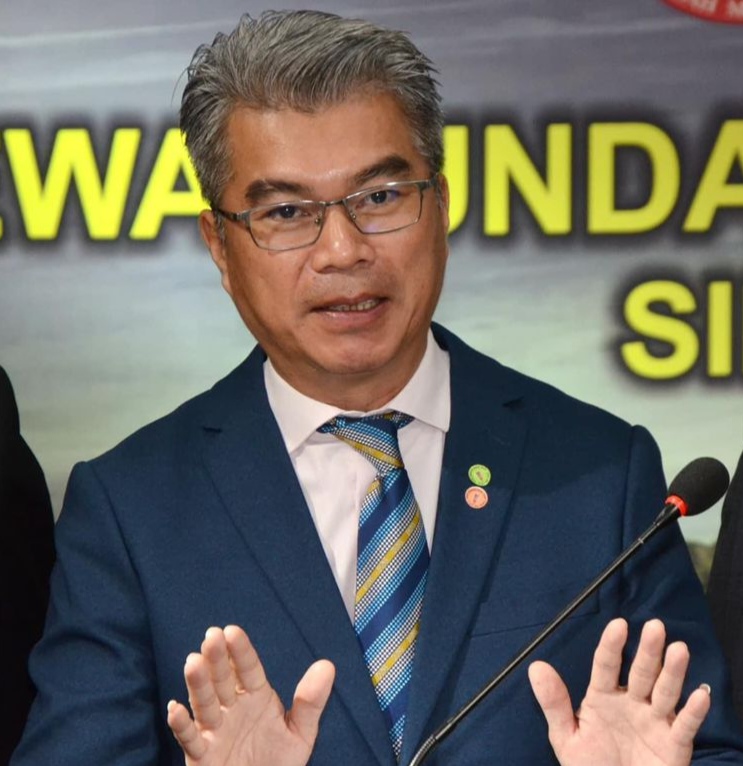
SANDAKAN: Elopura state assemblyman Calvin Chong has responded to remarks made by Deputy Finance Minister Amir Hamzah Azizan, who claimed that the introduction of targeted diesel subsidies would not negatively affect Sabah’s population, especially in rural areas.
The minister cited the use of the MyKad system and past experience with aid programmes as grounds for confidence.
Calvin Chong, however, argues that this outlook is unduly optimistic and fails to account for the actual conditions on the ground in Sabah.
Sabah’s unique geographical layout, logistical hurdles, and elevated cost of living make it distinct from other parts of the country.
Adjustments to fuel subsidies—particularly diesel—cannot be treated as minor administrative changes.
Their ripple effects touch transportation networks, the pricing of essential goods, and the daily operations of small and medium-sized businesses.
Residents in remote areas are likely to face disproportionate hardship. Even urban centres such as Sandakan, already grappling with high expenses, will feel additional strain from such policy shifts.
Calvin Chong also raises serious doubts about the government’s dependence on digital infrastructure, particularly the use of MyKad as the primary tool for distributing subsidies.
In many rural and semi-urban communities, internet connectivity remains unreliable, digital literacy is limited, and access to online platforms is often difficult.
Assuming uniform readiness across the population overlooks the persistent digital divide, which remains a significant barrier.
Furthermore, he warns that this policy could place added pressure on key sectors, including fishing, farming, small enterprises, and freight services. If diesel becomes more expensive or harder to access through subsidies, these costs will inevitably be transferred to consumers, further deepening the financial burden.
Three days ago, Amir Hamzah was quoted as saying that the government would provide a basic quota of 200 litres (only) of subsidised diesel at RM2.10 per litre under the Budi Madani Diesel (Budi Diesel) programme.
.