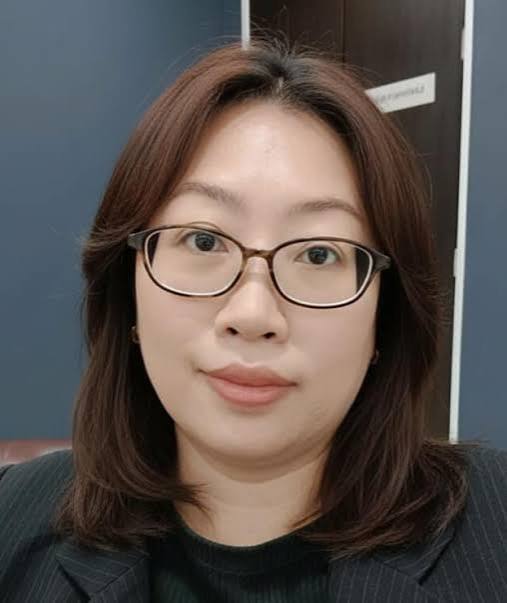
By Angie S Chin, Lead – Vote Wisely Project
KOTA KINABALU: Every time a successful Sabahan returns home, social media lights up with celebration.
We share their achievements. We praise their credentials. We welcome them back as proof that Sabahans can compete with the best in the world.
The recent excitement surrounding the return of Tan Sri Andrew Sheng is just one of such examples.
And rightly so.
We should celebrate Sabahans who have achieved success beyond our shores and are willing to contribute their knowledge and experience to the state. We need more of them.
But perhaps the more important question is this:
“So, what happens after the applause?”
For decades, Sabah’s brightest minds have left the state in search of opportunities elsewhere. They became corporate leaders, entrepreneurs, academics, technologists, professionals, and changemakers. Many did not leave because they wanted to. They left because they had to.
I am one of them and I am still currently based in Kuala Lumpur.
More than 27 years ago, I left Sabah in pursuit of opportunities that did not exist back home.
The experience transformed my life. It expanded my thinking, strengthened my capabilities, and exposed me to industries, networks, and experiences that would shape my professional journey.
Today, I remain deeply connected to Sabah. Like many Sabahans living elsewhere, I carry a genuine desire to contribute to the state’s future.
Yet despite years of corporate experience, extensive networks, and a proven track record of leading initiatives, I cannot simply pack my bags and return home to serve Sabah in a meaningful capacity.
Not because the desire is absent. But because the opportunities are.
This is the uncomfortable conversation we rarely have.
Sabah does not lack talent. In fact, some of
our most capable sons and daughters are already proving themselves nationally and internationally.
What Sabah lacks is a structured way to identify, engage, and utilise that talent.
Too often, opportunities appear accessible only to those who know the right people, belong to the right circles, or happen to be in the right place at the right time.
Meanwhile, many capable Sabahans remain on the sidelines, not because they lack ability, but because there is no clear pathway for them to contribute.
Even more concerning is when appointments are made based on familiarity rather than capability. We have all seen instances where roles fail to reach their full potential because the expertise required does not match the responsibility given.
The result is not merely an ineffective appointment. The real cost is the opportunity lost — opportunities that could have gone to individuals with the right experience, vision, and capacity to drive meaningful growth.
Every time this happens, Sabah loses twice.
First, we lose the potential impact that could have been created, secondly, we send a message to capable Sabahans elsewhere that merit may not be enough.
That message matters.
Because brain drain is not simply about people leaving. It is about people no longer believing there is a place for them to return.
During the COVID-19 pandemic, I organised fundraising efforts for Sabah’s frontliners, hospitals, income challenged families, and students.
Support arrived from across Malaysia and from donors from as far away as Europe and the United States.
Although the initiatives were on the media, there were no titles attached to the effort, no special recognition from the state, and no expectation of reward.
The experience reminded me of something important: Sabahans everywhere are willing to help.
The question is whether Sabah is equally willing to create avenues for them to do so.
Imagine if Sabah established a state talent bank that actively identified experienced Sabahans across industries.
Imagine if returning professionals could mentor local talent, advise government-linked initiatives, participate in strategic projects, or contribute through transparent and merit-based appointments.
Imagine if the return of one accomplished Sabahan became the catalyst for hundreds more.
That is the conversation we should be having. Not just by rejoicing who they are and what have they achieved professionally in their own accord elsewhere.
The return of Tan Sri Andrew Sheng should not be viewed as the conclusion of a success story. It should be the beginning of a broader strategy to address one of Sabah’s greatest long-term challenges.
Because the issue is not whether Sabahans are capable.
The issue is whether Sabah is prepared to create opportunities and pathways worthy of their capabilities.
Until we answer that question, we will continue celebrating Sabah’s success stories from afar, while wondering why so many of them never come home.