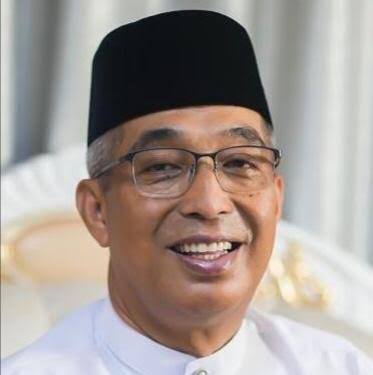
KOTA KINABALU: The future of UMNO in Sabah hinges on recognising the current political reality and working cooperatively to foster unity, support the state’s development, and uphold the provisions of MA63.
Former Sabah Chief Minister Datuk Seri Dr Salleh Said Keruak noted that UMNO entered Sabah in 1991 at the invitation of the late Tun Mustapha Harun and the United Sabah National Organisation (USNO), with the aim of consolidating political support among Bumiputera Muslims. It later became a dominant force in state politics.
However, he pointed out, Bumiputera support is now spread across several political groups, and UMNO no longer serves as the primary unifying platform.
“UMNO Sabah has shifted from a leading role to a supporting one, now operating within coalitions led and defined by local parties,” he wrote in a recent Facebook post.
Salleh emphasised that the political developments in Sarawak and Sabah have followed distinct paths since 1963, influenced by historical context, demographic composition, and regional leadership.
In Sarawak, he explained, UMNO has never been established, a decision made to maintain political cohesion and prevent divisions among Bumiputera Muslims.
Parties such as PKR, DAP, and PAS have entered Sarawak with messages centered on reform, social equity, and multiracialism, but their reach remains confined to certain constituencies, he added.
He observed that rural and mixed communities in Sarawak continue to back local parties, reflecting a broader preference for homegrown leadership when addressing matters related to rights, development, and the implementation of MA63.
In summary, Salleh noted that Sarawak’s political direction is largely shaped by indigenous parties, whereas Sabah maintains a blend of strong local leadership supported by a supplementary presence of national parties.
Sarawak vs Sabah: Divergent Political Paths
KOTA KINABALU: The future of UMNO in the state depends on accepting the reality and working collaboratively to strengthen unity, advance Sabah’s development, and ensure the implementation of MA63.
Former Sabah Chief Minister Datuk Seri Salleh Said Keruak said UMNO came to Sabah in 1991 upon the invitation of the late Tun Mustapha Harun and United Sabah National Organisation (USNO) to unify Bumiputera Muslim support, and subsequently played a dominant role in state politics.
“Today, Bumiputera support is fragmented across multiple political blocs, and UMNO is no longer the sole unifying platform.
“UMNO Sabah no longer plays a dominant role but functions as a complementary force, supporting a state government led and anchored by local party coalitions,” he said in his latest Facebook post.
Salleh said the political landscapes of Sarawak and Sabah have evolved differently since 1963, shaped by history, demographics, and local leadership.
In Sarawak, he said UMNO has never established a presence, largely to preserve political stability and avoid fragmenting Bumiputera support, particularly among Bumiputera Muslims.
“National parties such as PKR, DAP, and PAS entered through narratives of reform, social justice, and multiracial politics, but their influence remains limited to specific constituencies,” he added.
Salleh said rural and mixed areas continue to support local parties, reinforcing Sarawak’s preference for state-based leadership on issues of rights, development, and MA63.
Overall, he said Sarawak remains firmly driven by local parties, while Sabah maintains a balance between local political strength and the complementary role of national parties.