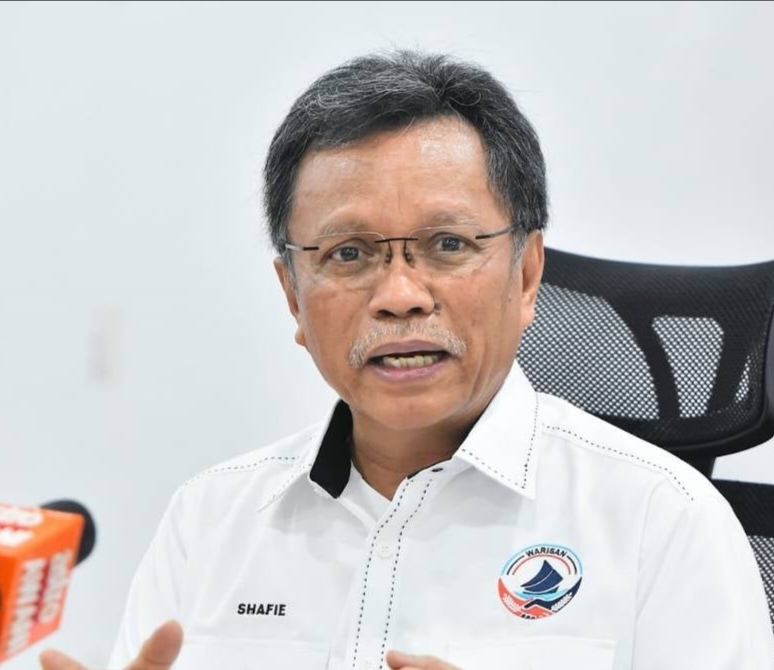
KOTA KINABALU: Since Gabungan Rakyat Sabah (GRS) assumed office in 2020, Sabahans have continued to endure recurring electricity disruptions, chronic water shortages, and inadequate road infrastructure, said Warisan President Datuk Seri Mohd Shafie Apdal.
“After six years in office, the GRS government must be judged by its performance in resolving these problems and not merely by its explanations each time a crisis occurs,” he said in a statement here today.
Shafie said the State Government now regulates Sabah’s electricity supply.
“It must therefore be held accountable for ensuring its reliability and security,” he said.
As such, Shafie called for an independent technical investigation, the publication of its findings and a clear action plan with firm deadlines to strengthen Sabah’s electricity network and prevent similar failures.
“I commend the technical personnel working tirelessly to restore electricity supply.
“However, responding to a crisis is not a substitute for preventing one.
“Natural hazards cannot always be prevented but known risks must be addressed before they become public crises,” he said.
Shafie said Sabah is facing a serious state of affairs.
“Recurring power failures, chronic water shortages, inadequate roads and persistent unemployment are interconnected problems that undermine economic development, discourage investment and limit employment opportunities for our people.
“How can Sabah attract meaningful investment, create sustainable employment and offer our younger generation a better future when even the basic infrastructure necessary for economic development remains unreliable,” he said.
Shafie asserted reliable electricity, clean water, safe roads and decent employment opportunities are fundamental to the well-being and dignity of our people, adding that recurring infrastructure failures must not become a way of life in Sabah.
Shafie said the collapse of a single transmission tower in Ranau had disrupted electricity supply across Sabah’s east coast, affecting more than 150,000 registered consumers.
He said the scale of this disruption demands a serious examination of Sabah’s infrastructure management, preventive maintenance and regulatory oversight.
Shafie said Sabah Electricity has acknowledged that erosion along the banks of Sungai Liwagu was detected in January and reinforcement works were undertaken in March.
“Heavy rainfall may have triggered the collapse but the risk had been known for nearly ten months. Were the measures taken sufficient to protect this critical infrastructure?
“A similar transmission tower collapse occurred in September last year. What lessons were learnt and what measures were taken to prevent a recurrence,” he said.
Shafie said the collapse of one tower disabled two 275kV transmission lines, resulting in the loss of 295MW of power supply.
“Why does the east coast remain so heavily dependent on a single transmission corridor despite the risks exposed by last year’s incident? he said.
He said the RM645 million Battery Energy Storage System (BESS) in Lahad Datu was announced by the government to stabilise electricity supply on Sabah’s east coast.
“How much electricity has this facility actually delivered during the current crisis and to what extent has it reduced supply disruptions?
“What is the current status of the Southern Link project for which RM765 million in federal funding was announced under Budget 2026.
“When will the east coast finally have an alternative transmission route, and what safeguards are in place in the meantime,” he said.
Shafie said Sabah Electricity has set a six-day target for full grid restoration.