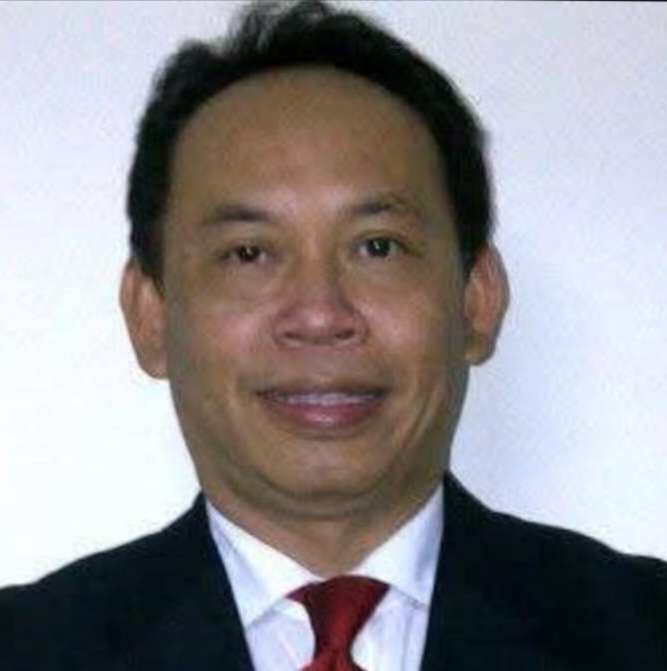
By Mohd Ustar Abdul Ghani
KOTA KINABALU: In the period leading up to the 17th Sabah State Election, Chief Minister Datuk Seri Hajiji Noor announced a policy initiative to provide free tertiary education for Sabah students enrolled at two state-owned institutions, University College Yayasan Sabah (UCSF) and Kolej Technology Yayasan Sabah (KTYS).
While such announcements are often framed within electoral cycles, the long-term significance of this policy lies not in its political timing but in its institutionalization and effective implementation.
UCSF offers diploma and degree-level programs, whereas KTYS focuses on certificate and diploma-level training.
Both institutions operate under the auspices of the Sabah Foundation, providing the state government with direct administrative oversight.
This structural arrangement presents a critical opportunity for policy continuity, ensuring that the initiative transcends electoral rhetoric and is embedded as a durable public policy commitment rather than a transient campaign pledge.
The Sabah government’s policy draws clear inspiration from Sarawak’s higher education model, which has demonstrated measurable success through the provision of free tertiary education at four state-established universities.
Sarawak’s approach is characterized by sustained fiscal commitment, policy consistency across electoral terms, and a clear linkage between education policy and broader state development objectives.
As a result, Sarawak has been able to reduce financial barriers to higher education, enhance human capital formation, and strengthen social mobility among its youth population.
The effectiveness of Sarawak’s model underscores the importance of implementation capacity and long-term political will in transforming policy promises into tangible outcomes.
In this context, Sabah’s free education initiative represents a potentially transformative intervention aimed at expanding access to higher education, particularly for students from underprivileged backgrounds.
By lowering cost barriers, the policy enhances equity in educational participation and enables students to compete on more equal footing with peers from economically advantaged households.
Moreover, the programs offered at UCSF and KTYS emphasize lifelong learning skills and adaptability, aligning graduate outcomes with Sabah’s evolving socio-economic demands and Malaysia’s broader development trajectory.
Complementing this initiative is the proposed introduction of loan subsidy schemes for Sabah students servicing
education loans from the National Higher Education Fund Corporation (PTPTN) and Yayasan Sabah.
If effectively implemented, such measures would alleviate the financial pressures faced by graduates and address longstanding concerns regarding the rigidity of PTPTN repayment structures.
This policy coherence, linking free education with post-graduation financial relief, further reinforces the seriousness of the state’s commitment beyond symbolic electoral gestures.
With the recent victory, it is now time to fulfill those promises.