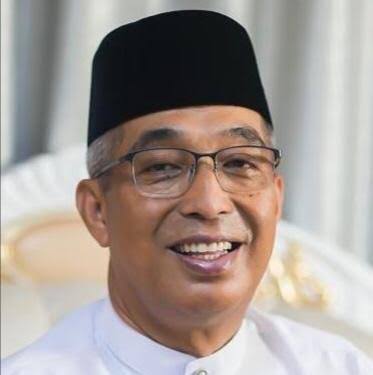
KOTA KINABALU: Some individuals continue to perceive the Iran war as a remote concern, believing it does not affect us, stated former Sabah Chief Minister Datuk Seri Dr Salleh Said Keruak.
He stated that this is not merely a mistake, but rather a failure to grasp the present circumstances
“When tensions rise in the Middle East, strategic routes such as the Strait of Hormuz are threatened. The immediate effect is a surge in global oil prices.
“And When oil prices increase, the impact does not stop there. It spreads across the economy; transportation costs rise, production costs increase, and food as well as daily goods become more expensive,” he said in his Facebook post.
According to Salleh, the connection is evident: rising oil prices result in increased logistics expenses, which subsequently elevate the cost of goods, ultimately impacting the public.
“A straightforward example we have already observed is that when fuel prices increase, delivery charges also rise, which consequently drives up the prices of chicken, vegetables, and essential groceries.
“Simultaneously, fertilizers and animal feed become pricier, exerting pressure on the agricultural sector,” he noted.
He emphasized that this is not merely theoretical; it reflects a global economic reality.
“Yet, we persist in behaving as if nothing is amiss. Programs and activities continue as normal without considering an increasingly volatile global landscape.
“Adopting a ‘business as usual’ mindset under these circumstances is a strategic error.
“This is not about inducing panic. It is about accurately assessing the situation. Without geopolitical awareness, we will remain reactive rather than strategic,” he remarked.
Salleh pointed out that today’s world is interconnected, highlighting that events occurring elsewhere will eventually affect us.
In this regard, he stated that government, corporate, and personal expenditures must be reevaluated based on priorities.
“Unnecessary spending should be deferred or stopped. The economy must not grind to a halt, but expenditures should be directed by necessity and clear priorities.
“If this concept is still not grasped, then we are not merely lagging behind — we are heading in the wrong direction,” he said.